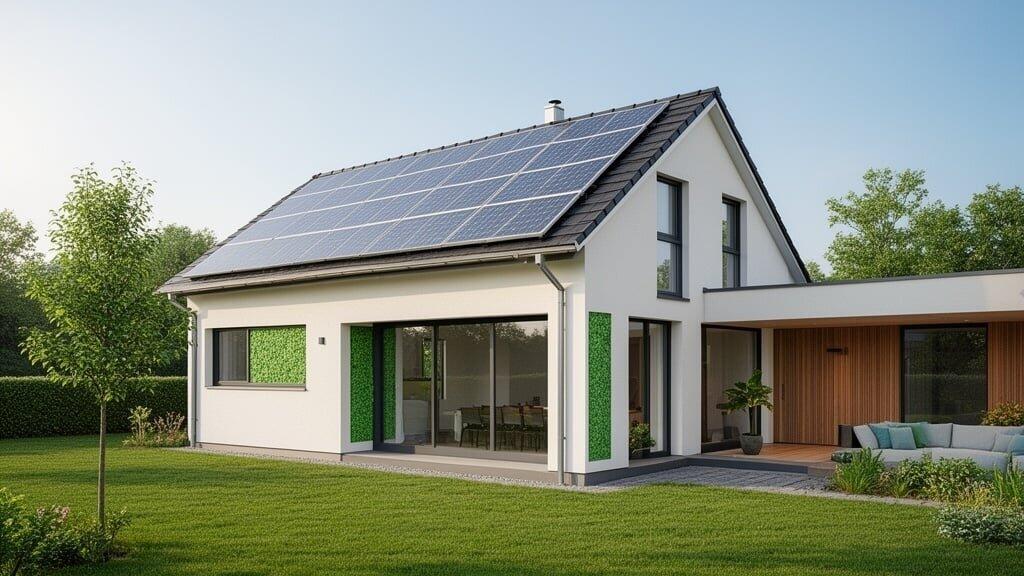
Energy Efficiency and Property Values in London
Angel Surveyors' RICS chartered surveyors analyze how energy efficiency impacts professional RICS valuations for residential and commercial properties across London. Understanding Energy Performance Certificate (EPC) ratings, improvement costs, and value effects helps property buyers, sellers, landlords, and investors make informed decisions. Energy efficiency increasingly influences London property markets as environmental concerns, regulations, and running costs drive buyer behavior.
Understanding Energy Performance Certificates (EPCs)
EPCs rate property energy efficiency from A (most efficient) to G (least efficient), measuring:
- Heating and hot water systems
- Insulation (walls, roofs, floors)
- Windows and glazing
- Lighting
- Renewable energy installations
Ratings are based on energy costs per square meter and CO2 emissions. Angel Surveyors' professional property surveying considers EPC ratings in valuations, understanding how energy performance affects property values across London markets.
Current EPC Requirements
Legal requirements vary by property use:
- Residential sales and lettings: EPCs required when marketing properties
- Rental properties: Minimum EPC rating E required since April 2020 (residential) and April 2023 (commercial)
- Future requirements: Minimum rating C proposed for rental properties by 2025-2030
- Commercial properties: Stricter requirements with penalties for non-compliance
Our RICS chartered surveyors track evolving regulations, advising clients on compliance requirements affecting property values and investment returns.
How Energy Efficiency Affects London Property Values
Direct Value Impact
Research demonstrates clear correlations between EPC ratings and property values:
- Properties with rating A or B typically achieve 5-10% price premiums over rating D equivalents
- Properties with rating F or G face 5-15% value discounts reflecting improvement costs
- Each EPC band improvement represents approximately 3-5% value increase
Angel Surveyors' RICS valuations account for energy efficiency impacts, adjusting comparable evidence for EPC rating differences when assessing property values.
Buyer Preferences and Marketability
Energy-efficient properties sell faster and attract more buyer interest. Our building surveyors observe stronger demand for properties with:
- Modern heating systems and smart controls
- Double or triple glazing throughout
- Quality insulation reducing energy bills
- Solar panels or renewable energy features
- EPC rating C or above
Poor energy efficiency affects property marketability, extending selling times and reducing competitive interest—factors Angel Surveyors considers in professional property assessment.
Running Costs and Buyer Calculations
Energy bills significantly affect property affordability. Buyers increasingly factor running costs into purchase decisions:
- Rating D properties: Typical annual energy costs £1,500-£2,000
- Rating C properties: Typical annual energy costs £1,000-£1,500
- Rating B properties: Typical annual energy costs £800-£1,200
Over a 25-year mortgage, energy efficiency differences represent £20,000-£40,000 lifetime savings—substantial sums affecting buyer willingness to pay. Our RICS valuations recognize buyers incorporate running costs into affordability calculations, affecting achievable prices.
Rental Market Impacts
Energy efficiency profoundly affects rental values and tenant demand. Angel Surveyors observes:
- Premium rents: Energy-efficient properties command 5-10% rent premiums
- Tenant retention: Lower energy bills improve tenant satisfaction and retention
- Void periods: Energy-efficient properties let faster with shorter voids
- Regulatory compliance: Meeting minimum EPC E requirement essential for lettability
Professional property surveying for rental investment must consider energy efficiency impacts on rental income, voids, and capital values.
London Housing Stock and Energy Efficiency Challenges
London's property market faces unique energy efficiency challenges:
Period Property Prevalence
Victorian and Edwardian properties dominate many London areas. These period properties present energy efficiency challenges:
- Solid wall construction without cavity insulation
- Single-glazed sash windows (often in conservation areas)
- High ceilings increasing heating volumes
- Poor insulation in roofs and floors
- Inefficient older heating systems
Angel Surveyors' building surveyors understand period property constraints, advising on sympathetic improvements balancing heritage character with energy performance.
Conservation Area Restrictions
Many London properties sit in conservation areas restricting energy efficiency improvements:
- External wall insulation often prohibited
- Replacement windows requiring planning consent
- Solar panel restrictions on visible roofs
- External appearance preservation limiting options
Professional property assessment identifies achievable improvements within planning constraints, realistic for London's protected heritage.
Leasehold Complications
Leasehold apartments face additional energy efficiency challenges:
- Leaseholders cannot improve communal areas or building fabric
- External wall insulation requires freeholder cooperation
- Communal heating systems beyond individual control
- Service charge implications for building-wide improvements
Our RICS chartered surveyors understand leasehold limitations, advising on achievable improvements and value impacts.
Improving Energy Efficiency: Options and Costs
Angel Surveyors advises on energy efficiency improvements during building surveys and renovation assessments:
Insulation Improvements
- Loft insulation: £300-£1,000 typically, improving ratings 1-2 bands
- Cavity wall insulation: £500-£1,500 for typical houses, major rating improvements
- Solid wall insulation: £5,000-£15,000 depending on property size and method (internal vs external)
- Floor insulation: £1,000-£4,000 depending on access and method
Insulation delivers best cost-benefit ratios, substantially improving energy performance relatively affordably.
Heating System Upgrades
- Condensing boilers: £2,000-£4,000 including installation
- Heat pumps: £8,000-£15,000 (air source) or £15,000-£25,000 (ground source), with government grants available
- Smart heating controls: £200-£500, improving efficiency 10-15%
- Radiator upgrades: £100-£300 per radiator
Windows and Doors
- Double glazing replacement: £5,000-£15,000 for typical houses
- Secondary glazing: £150-£400 per window (suitable for conservation areas)
- Door replacement: £800-£2,000 per external door
Renewable Energy
- Solar PV panels: £4,000-£8,000 for typical systems
- Solar thermal: £3,000-£6,000 for hot water heating
- Battery storage: £3,000-£6,000 additional
Our professional property surveying assesses which improvements deliver best returns, considering costs, EPC rating improvements, and value increases.
Cost-Benefit Analysis of Energy Efficiency Improvements
Angel Surveyors helps clients evaluate whether energy efficiency investments prove financially worthwhile:
Payback Calculations
We calculate improvement payback through:
- Energy bill savings: Annual savings from reduced energy consumption
- Property value increase: Enhanced selling price from improved EPC rating
- Grant funding: Available government support reducing net costs
- Mortgage terms: Some lenders offer better rates for energy-efficient properties
Worthwhile vs. Marginal Improvements
Our RICS chartered surveyors identify most cost-effective improvements:
- High priority: Loft insulation, boiler upgrades, cavity wall insulation—affordable with strong returns
- Medium priority: Double glazing, solar panels—higher costs but solid long-term benefits
- Lower priority: External wall insulation, heat pumps—expensive with longer payback periods
Professional property assessment weighs costs against benefits, advising whether improvements justify investment for your circumstances.
Energy Efficiency in Property Investment
Buy-to-Let Considerations
Energy efficiency critically affects buy-to-let investment returns:
- Legal compliance: Minimum EPC E requirement for lettability
- Future-proofing: Anticipated EPC C requirement by 2025-2030
- Tenant demand: Energy-efficient properties let faster with lower voids
- Rental premiums: Better EPC ratings support higher rents
- Resale values: Enhanced exit values from improved ratings
Angel Surveyors advises buy-to-let investors on energy efficiency strategies maximizing returns while ensuring regulatory compliance.
Property Development and Refurbishment
Developers and refurbishment investors should prioritize energy efficiency:
- New builds must achieve high EPC ratings under building regulations
- Refurbishment projects offer opportunities for cost-effective improvements
- Energy-efficient properties command price premiums justifying improvement investment
- Future regulations favor properties with strong energy performance
Government Support and Incentives
Various schemes support energy efficiency improvements:
- Boiler Upgrade Scheme: Grants up to £7,500 for heat pumps
- ECO4 (Energy Company Obligation): Support for low-income households
- Local authority schemes: Various borough-specific programs
- Stamp duty relief: Potential future incentives for energy-efficient purchases
Angel Surveyors advises clients on available support, incorporating grants into improvement cost calculations.
The Future: Tightening Regulations
Energy efficiency regulations will strengthen:
- EPC C minimum for rental properties likely by 2025-2030
- Increased financial penalties for non-compliance
- Potential restrictions on selling properties with poor EPC ratings
- Mortgage lending criteria potentially favoring energy-efficient properties
- Greater value divergence between efficient and inefficient properties
Our professional property surveying helps clients future-proof investments, anticipating regulatory changes affecting property values.
📋 Energy Efficiency FAQs
How long are EPCs valid?
10 years from issue date. Properties can be remarketed using existing valid EPCs.
Can I improve my EPC rating cheaply?
Yes. Loft insulation (£300-£1,000) and low-energy lighting (minimal cost) provide affordable rating improvements.
Are energy-efficient properties worth more?
Generally yes. Better EPC ratings typically add 3-5% per band, totaling 5-10% premiums for A/B rated properties vs. D rated equivalents.
What happens if my rental property doesn't meet EPC E?
Legally cannot be let from April 2020 (residential) or April 2023 (commercial), with fines up to £5,000 per property for non-compliance.
Need Energy Efficiency Advice?
Contact Angel Surveyors for professional RICS valuations considering energy efficiency across London. Our chartered surveyors provide comprehensive property assessments, improvement recommendations, and cost-benefit analysis helping you make informed decisions.
Get Property AssessmentRelated Articles: