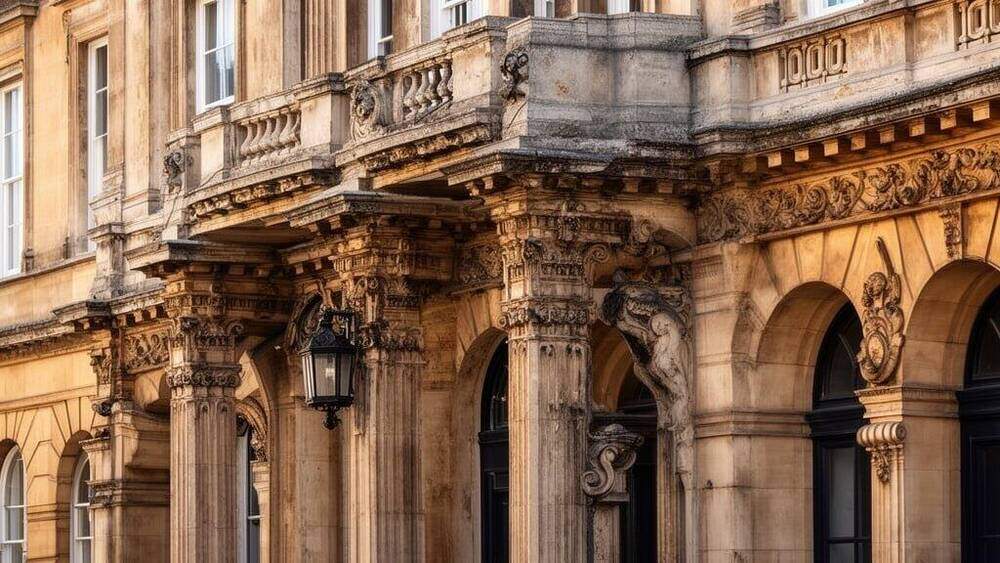
Surveying Listed Buildings: Specialist Guide
Angel Surveyors provides professional surveying services for listed buildings across London. Our RICS chartered surveyors understand conservation requirements, traditional construction methods, and heritage property assessment complexities. Surveying listed buildings requires specialist knowledge that standard building surveyors may lack. This comprehensive guide explains what makes listed building surveys different and why heritage properties need expert attention.
Understanding Listed Buildings and Heritage Protection
Listed buildings are structures of special architectural or historic interest protected by law under the Planning (Listed Buildings and Conservation Areas) Act 1990. Historic England maintains the National Heritage List for England, categorizing buildings into three grades:
Grade I Listed Buildings
Grade I buildings represent exceptional interest, comprising only 2.5% of listed buildings. These include major country houses, cathedrals, and buildings of outstanding architectural or historical significance. Surveying Grade I properties requires extensive heritage expertise as any alterations face rigorous scrutiny.
Grade II* Listed Buildings
Grade II* (Grade Two Star) buildings are particularly important structures of more than special interest, representing 5.8% of listed buildings. These include significant town houses, manor houses, and architecturally distinguished buildings requiring careful conservation.
Grade II Listed Buildings
Grade II buildings, representing 91.7% of listings, are nationally important and of special interest. London contains thousands of Grade II listed buildings including Georgian terraces, Victorian warehouses, and 20th-century properties. Angel Surveyors regularly surveys Grade II properties across all London boroughs.
Conservation Areas
While not individually listed, properties in conservation areas face additional planning restrictions protecting area character. Our building surveyors understand conservation area requirements affecting alterations, extensions, and repairs across London's 1,100+ conservation areas.
Why Listed Buildings Need Specialist Surveying
Listed building surveys differ significantly from standard property assessment. Our RICS chartered surveyors bring specialist expertise including:
Traditional Construction Knowledge
Historic buildings use traditional materials and construction methods unfamiliar to surveyors trained primarily on modern properties. Angel Surveyors' building surveyors understand:
- Lime mortar and plaster: Traditional lime-based materials that allow buildings to breathe, preventing damp problems
- Timber framing: Historic timber structures requiring different assessment from modern cavity walls
- Traditional roofing: Clay tiles, lead work, and slate roofing with specialist repair requirements
- Historic glazing: Original sash windows with heritage value requiring sympathetic repair rather than replacement
- Period features: Cornicing, decorative plasterwork, original floors requiring careful conservation
Understanding how traditional materials perform prevents inappropriate modern repairs that can damage heritage buildings. Our professional property surveying identifies where modern interventions have caused problems requiring reversal.
Conservation Principles and Planning Restrictions
Listed building consent applies to any works affecting special interest. Our building surveyors advise on:
- What alterations require listed building consent
- Likely consent outcomes for proposed works
- Appropriate repair materials and methods
- How to balance modernization with heritage protection
- Conservation officer expectations and requirements
Professional property assessment for listed buildings includes analyzing proposed alterations against conservation policies, helping buyers understand restrictions before purchase.
Hidden Defects in Historic Buildings
Period properties present unique defects requiring specialist diagnosis. Angel Surveyors' chartered surveyors identify:
- Structural movement vs. historic settlement
- Beetle infestation in historic timbers
- Inappropriate cement repairs trapping moisture
- Failed damp-proof courses in buildings never designed for them
- Hidden alterations compromising structural integrity
- Defective leadwork and historic roof structures
Common Issues in London Listed Buildings
Our extensive experience surveying London heritage properties reveals recurring issues:
Rising Damp and Moisture Problems
Historic buildings were designed to manage moisture through breathable materials. Modern cement renders, concrete floors, and plastic paints trap moisture causing damp problems. Our building surveyors distinguish between:
- True rising damp (relatively rare)
- Penetrating damp from defective rainwater goods
- Condensation from poor ventilation
- Moisture trapped by inappropriate repairs
Professional property surveying recommends sympathetic solutions using traditional materials allowing buildings to breathe naturally rather than modern damp-proofing often unsuitable for heritage properties.
Structural Movement
Many listed buildings exhibit cracking and movement. Our RICS chartered surveyors determine whether movement is:
- Historic and stable (common in period properties)
- Active and progressive requiring intervention
- Caused by modern alterations removing structural support
- Related to subsidence, heave, or foundation problems
Angel Surveyors uses 3D laser scanning and crack monitoring to assess structural movement accurately, distinguishing between cosmetic issues and genuine structural concerns requiring remediation.
Timber Decay and Beetle Infestation
Historic timber structures face decay from wet rot, dry rot, and woodworm. Our building surveyors inspect:
- Roof timbers and structural frames
- Floor joists and floorboards
- Window and door frames
- Built-in joinery and paneling
Professional property assessment identifies active infestations requiring treatment vs. historic damage posing no current threat. Conservation principles favor retaining and repairing historic timber rather than wholesale replacement.
Inappropriate Modern Alterations
Many listed buildings suffered inappropriate alterations during the 20th century when heritage protection was less rigorous. Angel Surveyors identifies:
- Modern replacement windows harming character
- Cement renders trapping moisture in solid walls
- Removed chimneys causing structural instability
- Blocked fireplaces reducing ventilation
- Concrete floors affecting moisture balance
Our building surveys advise on reversing damaging alterations to restore buildings to healthier conditions while improving comfort and value.
Services and Modern Requirements
Installing modern services (heating, electrical, plumbing) in heritage buildings requires careful planning. Our chartered surveyors advise on:
- Sympathetic central heating installation
- Rewiring without damaging historic fabric
- Bathroom and kitchen installation in appropriate locations
- Energy efficiency improvements respecting heritage
The Angel Surveyors Listed Building Survey Process
Pre-Survey Research
Before inspection, our building surveyors research:
- Listing description and heritage significance
- Conservation area policies if applicable
- Planning and listed building consent history
- Historic maps and building development
- Similar properties and repair precedents
Comprehensive Property Inspection
Our RICS Level 3 building surveys for listed buildings include:
- External inspection: Walls, roofs, rainwater goods, windows, doors using drone surveys for safe roof access
- Internal inspection: All accessible areas including roof spaces, cellars, floor voids
- Services assessment: Heating, electrical, plumbing systems
- Moisture surveys: Using meters to identify damp problems
- Structural analysis: 3D laser scanning for detailed structural assessment
- Heritage features: Recording significant architectural elements
Specialist Testing and Investigation
Where needed, Angel Surveyors arranges:
- Timber decay surveys and treatment recommendations
- Mortar analysis for appropriate repair specifications
- Structural engineer consultations
- Specialist conservation architect advice
Detailed Reporting
Our building survey reports for listed buildings include:
- Detailed defect descriptions with photographic evidence
- Repair priorities and cost estimates
- Appropriate repair methods respecting heritage
- Listed building consent requirements
- Specialist contractor recommendations
- Long-term maintenance advice
Reports are written in clear English explaining technical issues for non-specialist buyers while providing sufficient detail for contractors and conservation officers.
Buying a Listed Building: What You Need to Know
Additional Purchase Costs
Listed building ownership involves higher costs than standard properties:
- Maintenance: Traditional materials and specialist contractors increase repair costs
- Insurance: Listed building insurance premiums run 10-20% higher than standard properties
- Heating: Poor insulation and draughty windows increase energy bills
- Consents: Architect and planning fees for listed building applications
- Professional fees: Conservation-experienced professionals charge premium rates
Angel Surveyors' property assessment helps buyers budget realistically for listed building ownership including immediate repairs and long-term maintenance.
Mortgage and Insurance Considerations
Lenders require specialist listed building valuations. Some lenders avoid heritage properties or apply stricter criteria. Our RICS chartered surveyors provide lender-acceptable valuations understanding how listing affects property values.
Standard home insurance policies exclude listed buildings. Buyers need specialist listed building insurance covering traditional repair methods and higher rebuild costs. Our building surveys help insurers assess risks accurately.
Grants and Financial Assistance
Various grants support listed building repairs including:
- Historic England grants for urgent repairs
- Local authority conservation grants
- Heritage Lottery funding for significant buildings
- VAT relief on approved alterations
Angel Surveyors advises on grant eligibility and application requirements during property assessment.
Making Listed Buildings Work for Modern Living
Heritage protection needn't prevent comfortable modern living. Our building surveyors advise on:
Sensitive Energy Efficiency Improvements
- Secondary glazing retaining original windows
- Breathable insulation in roof spaces
- Efficient heating systems with unobtrusive radiators
- Draught-proofing without plastic seals
- Solar panels on rear roofs or outbuildings
Modern Amenities Integration
Professional property surveying identifies appropriate locations for:
- Kitchens and bathrooms minimizing heritage impact
- Discrete wiring and pipework routes
- Service cupboards hiding modern utilities
- Extensions in sympathetic locations
Conservation Areas vs. Listed Buildings
While related, conservation area and listed building protections differ:
| Aspect | Listed Building | Conservation Area |
|---|---|---|
| Protection Level | Individual building | Area character |
| Consent Required | Most alterations | External changes, demolition |
| Internal Changes | Often requires consent | Usually unrestricted |
Angel Surveyors' building surveyors understand both listed building and conservation area requirements across London boroughs, advising on restrictions affecting property purchases.
Why Choose Angel Surveyors for Listed Building Surveys?
Our RICS chartered surveyors bring specialist heritage property expertise:
- Conservation experience: Extensive listed building survey portfolio across London
- Traditional construction knowledge: Understanding historic materials and methods
- Advanced technology: Drone surveys and 3D laser scanning for detailed assessment
- Planning expertise: Advice on listed building consent and conservation policies
- Specialist networks: Connections with conservation architects, specialist contractors
- Clear reporting: Technical issues explained for non-specialist buyers
📋 Listed Building Survey Checklist
Before Viewing:
- ✅ Check listing grade and description
- ✅ Research conservation area status
- ✅ Review planning history online
- ✅ Understand typical costs for listed buildings
During Survey:
- ✅ Assess traditional features and condition
- ✅ Identify inappropriate modern alterations
- ✅ Check for structural movement
- ✅ Evaluate services and modernization needs
- ✅ Consider renovation restrictions
After Survey:
- ✅ Budget for recommended repairs
- ✅ Factor in ongoing maintenance costs
- ✅ Arrange specialist listed building insurance
- ✅ Plan alterations with conservation advice
Listed Building Survey Specialists
Contact Angel Surveyors for specialist listed building surveys across London. Our RICS chartered surveyors provide comprehensive heritage property assessment, understanding conservation requirements and traditional construction methods that protect your investment.
Book Listed Building SurveyRelated Articles: