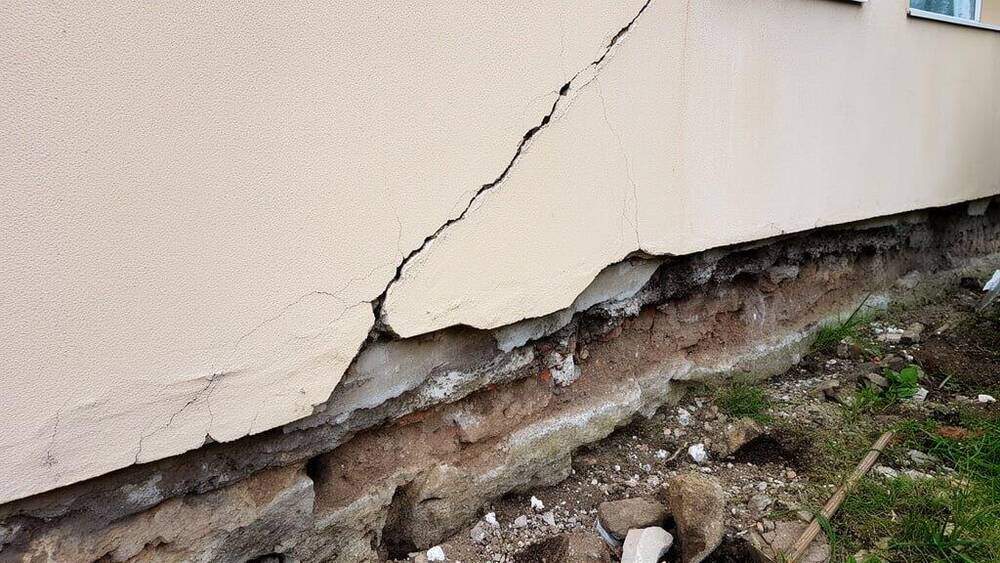
Subsidence: Causes, Signs, and Solutions
Angel Surveyors' RICS chartered surveyors regularly assess subsidence in London properties. Understanding subsidence causes, identifying warning signs early, and knowing available treatment options helps property buyers and homeowners make informed decisions. Our experienced building surveyors provide expert property assessment of structural movement, distinguishing subsidence from settlement and other building defects.
What is Subsidence? Understanding Ground Movement
Subsidence occurs when the ground beneath a property's foundations sinks or shifts downward, causing structural movement and potential damage to the building above. This downward ground movement is particularly common on clay soils found in many parts of London and the South East, where seasonal changes in moisture content cause the soil to expand and contract.
As RICS chartered surveyors with extensive experience across London, we've seen subsidence affect properties of all ages and types. The key is early detection through professional surveying services and appropriate remediation before minor cracks become major structural issues requiring expensive underpinning work.
Subsidence vs. Settlement vs. Heave
Many homeowners confuse subsidence with other types of structural movement. Our building surveyors distinguish between:
- Subsidence: Downward ground movement beneath existing foundations, often caused by clay shrinkage, water leakage, or tree roots extracting moisture from soil
- Settlement: Normal downward movement in new buildings as they adjust to the ground – usually harmless and stops within 12 months
- Heave: Upward ground movement, typically when clay soils expand after tree removal or following exceptionally wet weather
Angel Surveyors' chartered surveyors use professional property assessment techniques including laser scanning and crack monitoring to accurately diagnose the type and severity of structural movement affecting your property.
Common Causes of Subsidence in London Properties
Understanding what causes subsidence helps property buyers and homeowners identify risk factors. Our building surveys regularly identify these common subsidence causes:
1. Clay Soil and Seasonal Moisture Changes
London sits on significant clay deposits, particularly in areas like Barnet, Bromley, and Croydon. Clay soil shrinks when dry and expands when wet. During hot, dry summers, clay beneath foundations can shrink by up to 10%, creating voids that cause foundations to drop. This is the most common subsidence cause we identify during property assessments.
2. Tree Root Damage and Vegetation
Large trees near properties extract moisture from soil, causing clay shrinkage and subsidence. Oak, willow, poplar, and elm trees are particularly problematic. Our building surveyors typically recommend that trees shouldn't be planted closer to properties than their mature height. Tree root subsidence accounts for approximately 60% of subsidence insurance claims in the UK.
3. Leaking Drains and Water Pipes
Damaged drainage systems wash away soil particles beneath foundations, creating voids. Victorian and Edwardian properties with original clay drainage pipes are particularly vulnerable. During building surveys, Angel Surveyors' chartered surveyors often recommend CCTV drain surveys when subsidence is suspected.
4. Mining and Ground Works
Historical mining activity, particularly in outer London areas, can cause delayed subsidence decades after mine closure. Nearby construction work, excavation, or underground tunneling can also destabilize surrounding ground, affecting neighboring properties.
5. Poor Original Construction
Inadequate foundation depth, particularly in older properties built before modern building regulations, increases subsidence risk. Victorian terrace houses often have shallow brick foundations vulnerable to ground movement.
Recognizing the Warning Signs: Subsidence Symptoms
Early subsidence detection through professional property assessment prevents minor issues becoming expensive structural repairs. During building surveys, our RICS chartered surveyors look for these key warning signs:
Crack Patterns and Characteristics
- Diagonal cracks: Usually appearing at 45-degree angles near corners, doors, and windows – the classic subsidence indicator
- Crack width: Cracks wider than 3mm (about 10p coin thickness) suggest significant movement requiring investigation
- Crack location: External cracks, especially in brickwork, are more concerning than internal plaster cracks
- Tapering cracks: Cracks wider at the top indicate downward movement (subsidence), while cracks wider at the bottom suggest heave
- Progressive cracking: Cracks that grow over time, particularly after dry weather, indicate active subsidence
Other Subsidence Warning Signs
- Doors and windows sticking or refusing to close properly due to frame distortion
- Rippling or bulging in wallpaper caused by wall movement
- Gaps appearing between walls and ceilings or floors
- Cracks in exterior brickwork, particularly stepped cracks following brick mortar lines
- Leaning or bulging walls
- Cracked or displaced floor tiles
It's important to note that not all cracks indicate subsidence. Many properties develop hairline cracks due to normal building movement, temperature changes, or minor settlement. Angel Surveyors' experienced building surveyors distinguish between cosmetic cracks and serious structural movement during comprehensive property assessments.
Professional Subsidence Investigation and Monitoring
When subsidence is suspected, our RICS chartered surveyors conduct thorough investigations including:
Level Monitoring and Crack Analysis
We install monitoring devices across cracks to track movement over 6-12 months, determining whether subsidence is active or historical. Our 3D laser scanning technology creates precise building measurements, identifying even subtle structural changes.
Ground Investigation
Trial pits and bore holes assess soil conditions, foundation depth, and subsidence causes. Laboratory soil analysis determines clay content and shrinkage potential, informing treatment recommendations.
Drain Surveys
CCTV drainage inspection identifies leaks washing away soil. Drain repairs often stop subsidence progression without expensive underpinning.
Subsidence Treatment Options and Solutions
Angel Surveyors' building surveys include detailed remediation recommendations. Common subsidence treatments include:
1. Underpinning Foundations
Underpinning strengthens existing foundations by extending them deeper into stable ground. Traditional mass concrete underpinning, mini-piled underpinning, and resin injection methods suit different situations. Underpinning typically costs £10,000-£50,000+ depending on property size and subsidence severity.
2. Tree Management
Removing or pruning problematic trees stops ongoing soil moisture extraction. However, tree removal can cause heave as soil re-hydrates, so our chartered surveyors carefully assess each situation. Root barrier installation prevents future tree root damage.
3. Drainage Repairs
Fixing leaking drains removes the water source washing away soil. Often, drain repairs alone halt subsidence, avoiding expensive underpinning. Modern pipe relining technologies repair drains without excavation.
4. Crack Repair and Monitoring
For minor, historical subsidence, crack repairs and ongoing monitoring may suffice. Our building surveyors recommend this approach when movement has stopped and structural stability remains sound.
Subsidence and Property Insurance
Most home insurance policies cover subsidence, subject to excess (typically £1,000). However, insurers require professional surveying evidence before approving claims. Angel Surveyors provides insurance companies with comprehensive building surveys and expert witness services supporting subsidence claims.
Properties with subsidence history may face higher insurance premiums or struggle to obtain cover. Our chartered surveyors provide remediation certification demonstrating effective repairs, helping homeowners secure insurance.
Buying a Property with Subsidence
Discovering subsidence during property assessment doesn't necessarily mean walking away. Many successfully repaired properties remain structurally sound for decades. Our RICS building surveys help property buyers:
- Assess repair quality and ongoing risk
- Negotiate purchase price reductions reflecting subsidence history
- Obtain specialist insurance and mortgage lending
- Understand long-term monitoring requirements
Professional property surveying gives buyers confidence making informed decisions about properties with subsidence history or current issues.
Prevention: Reducing Subsidence Risk
While not all subsidence is preventable, homeowners can reduce risk through:
- Maintaining consistent soil moisture levels during dry weather through gentle watering near foundations
- Regular drain maintenance preventing leaks
- Careful tree planting away from properties
- Prompt repair of minor cracks before they worsen
- Annual property inspections by chartered surveyors
Why Choose Angel Surveyors for Subsidence Assessment?
Our RICS chartered surveyors bring extensive experience assessing subsidence across London properties. We provide:
- Comprehensive building surveys identifying subsidence causes and severity
- Advanced technology including drone surveys and 3D laser scanning
- Clear reporting explaining findings in plain English
- Remediation recommendations from practical repairs to underpinning solutions
- Insurance support and expert witness services
- Competitive pricing with transparent fees
📋 FAQs: Subsidence Questions Answered
How much does subsidence devalue a property?
Properties with active subsidence may lose 20-25% value. Successfully repaired properties typically lose 5-10% value due to subsidence history affecting insurance and buyer perception.
Can you get a mortgage on a property with subsidence?
Yes, but lenders require comprehensive building surveys proving repairs are complete and effective. Some lenders specialize in properties with subsidence history.
How long does subsidence take to develop?
Subsidence develops over months to years depending on causes. Tree root subsidence typically appears after 2-3 dry summers. Drain-related subsidence may develop more rapidly.
Is subsidence covered by building insurance?
Most policies cover subsidence above the excess (typically £1,000), but not damage caused by coastal erosion, defective construction, or ground works you've undertaken.
Should I buy a house with previous subsidence?
With professional surveying advice, many repaired properties represent good value. Angel Surveyors' building surveys assess repair quality and ongoing risk, helping you decide.
Concerned About Subsidence?
Contact Angel Surveyors for professional subsidence assessment. Our RICS chartered surveyors provide comprehensive building surveys identifying structural movement and recommending appropriate solutions. Early detection saves thousands in repair costs.
Book Subsidence SurveyRelated Articles: